
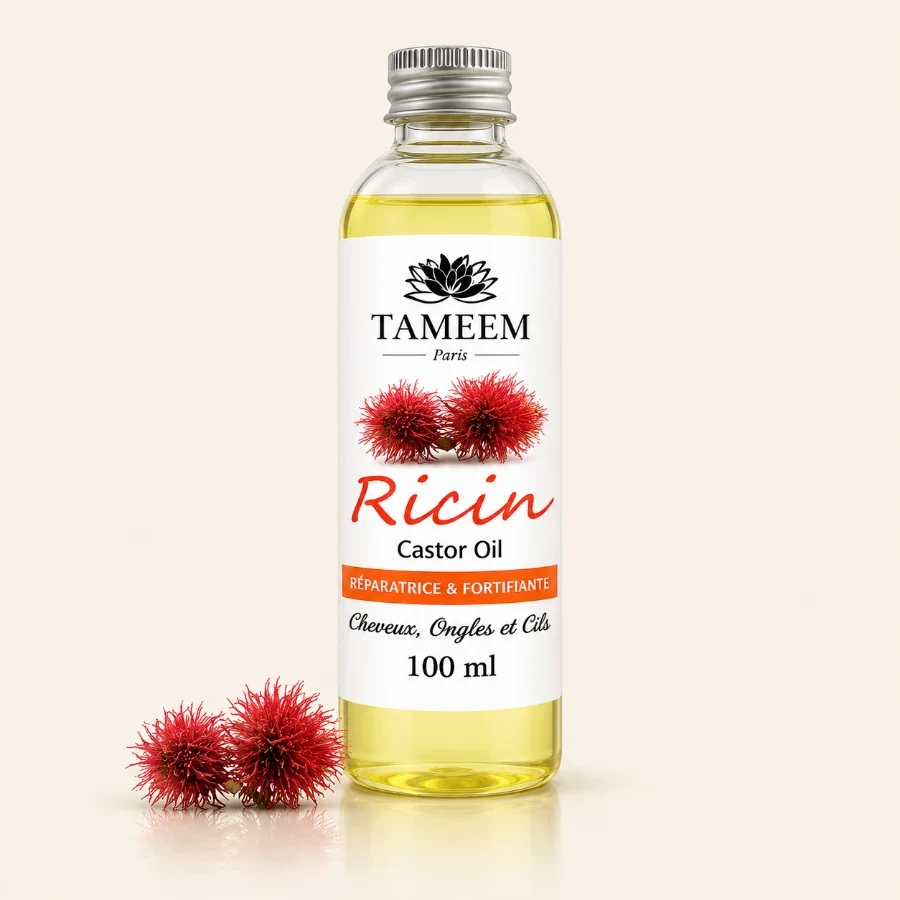

Dandruff is a common problem affecting many people around the world. It can cause itching, irritation and even hair loss in acute cases. Fortunately, the use of natural ingredients such ascastor oil can offer an effective solution for treating and preventing the condition. This article explores the benefits of castor oil on dandruff and how it contributes to a healthy scalp.
What is castor oil?
Castor oil is extracted from the seeds of the castor plant (Ricinus communis). It is rich in fatty acids, particularly ricinoleic acid, making it particularly useful for various hair and skin treatments.
Properties of castor oil
Castor oil has anti-inflammatory, antibacterial and antifungal properties. These characteristics mean it can be used to treat a variety of skin conditions, including dandruff. Castor oil also acts as a powerful moisturising agent, helping to maintain the sebum balance on the scalp.
Benefits for hair growth
Used regularly, castor oil can stimulate hair growth thanks to its wealth of essential nutrients. Thericinoleic acid it contains nourishes the scalp and hair follicles, promoting stronger, thicker hair.
How does castor oil combat dandruff?
Dandruff can be caused by a number of factors, such as dry scalp, fungal infections or sebum imbalance. Castor oil treats these underlying causes thanks to its various components and curative properties.
Moisturising a dry scalp
Dry scalp is one of the main causes of dandruff. Thanks to its moisturising effect, castor oil helps retainmoisture, reducing the formation of dry flakes.
Antifungal action
Dandruff symptoms are often aggravated by a fungal infection called Malassezia. The ricinoleic acid contained in the oil has natural antifungal properties, helping to eradicate the fungus responsible for dandruff.
Regulation of sebum production
Too much or too little sebum can cause skin imbalances. Castor oil helps to regulate this production, maintaining an optimal environment for scalp health.
Practical use of castor oil to combat dandruff
There are various ways to incorporate castor oil into your hair routine to combat dandruff. Here are a few practical examples:
Hair mask: apply castor oil generously to the scalp and hair. Massage gently and leave on for 30 minutes before rinsing with a mild shampoo.
Mixing oils: combine castor oil with other oils such as coconut or olive oil to enhance its effects. Use this mixture as a night-time treatment.
Daily serum: add a few drops of castor oil to your usual hair serum or shampoo to enhance the anti-fungal and moisturising benefits.
Precautions to take
If you have a sensitive scalp or are prone to allergies, it's advisable to test a small area of skin beforehand. Also make sure you don't apply too much oil, as this could clog pores and aggravate dandruff problems.
Frequency of use
For best results, apply castor oil two to three times a week. Adjust the frequency according to your own tolerance and the specific needs of your scalp.
Other benefits of castor oil for hair
As well as treating dandruff, castor oil has many other benefits for the health and beauty of your hair:
Strengthening hair follicles
Ricinoleic acid stimulates blood circulation in the scalp, strengthening hair follicles and preventing hair loss.
Thickening and shine
Regular application of castor oil makes hair thicker and shinier. The fatty acids penetrate deep into the hair fibre, providing intense nutrition.
Repair split ends
By using castor oil on the ends of your hair, you can reduce damage and repair split ends. This oil creates a protective barrier that prevents dehydration and strengthens hair fibres.
Comparison with other hair oils
Castor oil isn't the only option for treating dandruff and improving hair health. Compare it with other commonly used oils:
Coconut oil
Coconut oil is praised for its moisturising and antibacterial properties. Although it's excellent for nourishing the hair and scalp, it doesn't have as many anti-fungal properties as castor oil.
Argan oil
This oil is known for its ability to revitalise dry, damaged hair. However, it is less effective than castor oil in terms of fighting fungal infections and stimulating hair growth.
Olive oil
Similar to castor oil, olive oil is rich in beneficial fatty acids for the scalp. However, it lacks the ricinoleic acid that gives castor oil its powerful anti-dandruff properties.