
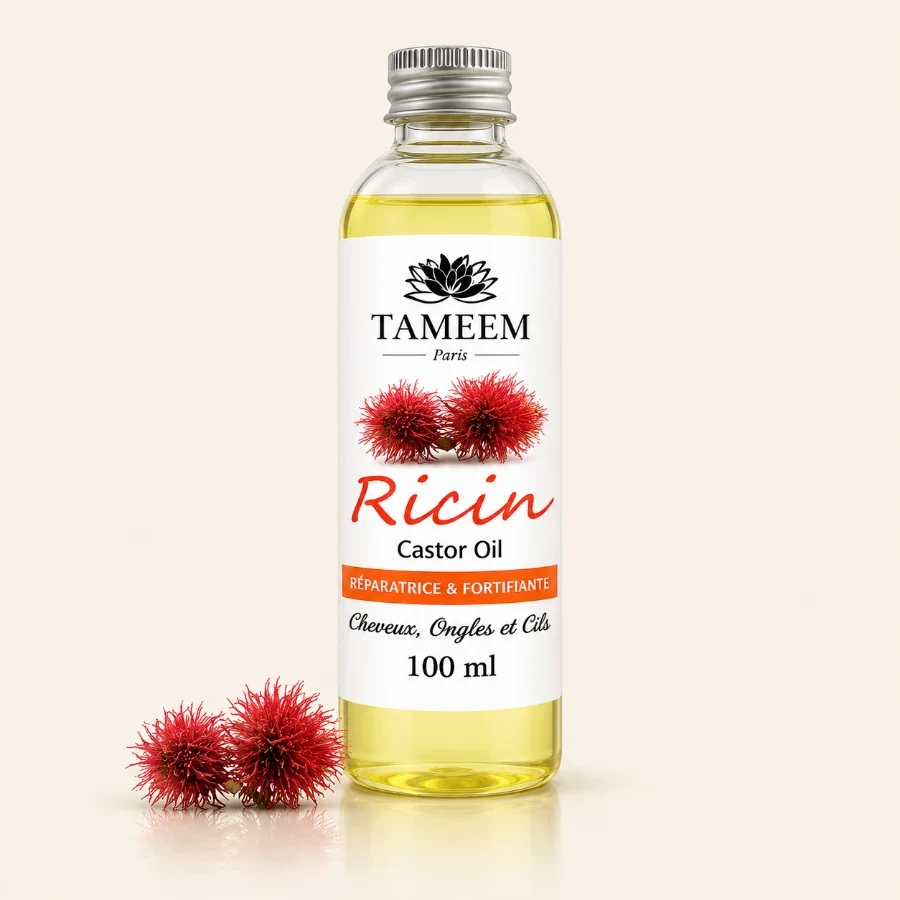

Hair transplants are an effective way of combating baldness and regaining dense, full head of hair. However, it is essential to adopt the right gestures and products to optimise hair regrowth and guarantee the success of this procedure. Among these products,castor oil is an excellent choice for caring for your hair after a transplant. Our team explains all the benefits of castor oil after a hair transplant, as well as tips on how to use it to best effect.
What is castor oil?
Castor oil is extracted from the seeds of the Ricinus communis plant, also known as Palma Christi. This vegetable oil has a thick, viscous texture and exceptional properties for health, beauty and well-being.
Composition of castor oil
Very rich in fatty acids, particularly ricinoleic acid, castor oil offers numerous benefits for hair, skin and nails. Here's its composition:
- Ricinoleic acid (85-95%): this rare fatty acid has anti-inflammatory and antimicrobial properties and promotes blood circulation.
- Oleic acid (2-6%): this monounsaturated fatty acid nourishes and protects the skin and hair.
- Linoleic acid (1-5%): this essential fatty acid helps cell regeneration and skin elasticity.
- Vitamin E: this antioxidant vitamin protects cells from oxidative stress and prevents skin ageing.
The benefits of castor oil after a hair transplant
After a hair transplant operation, it's vital to use the right products to encourage regrowth and maintain the health of your new hair. Castor oil offers a number of benefits to meet these needs:
Stimulates hair growth
Thericinoleic acid present in castor oil acts on prostaglandins, molecules that promote hair growth by improving blood circulation to the scalp. Better irrigation of the hair follicles accelerates the regrowth of transplanted hair as well as your own hair.
Nourishes and strengthens hair
Castor oil is also rich in nourishing fatty acids, such as oleic acid, which moisturises and protects the hair fibre, as well as vitamin E, which strengthens the hair's resistance to external aggression. These nutrients contribute to the overall health of the hair and prevent premature hair loss.
Soothes the scalp
Following a hair transplant, it's not unusual for the scalp to become irritated and sensitive. Ricinoleic acid's anti-inflammatory actionsoothes itching and redness, promoting a healthy environment for hair growth.
How should castor oil be used after a hair transplant?
Massaging the scalp with castor oil
We recommend massaging the scalp with castor oil to stimulate blood circulation and encourage nutrients to penetrate the hair follicles.
Here are the steps to follow:
- Pour a few drops of castor oil into the palm of your hand.
- Spread the oil over your fingers and gently massage your scalp using circular movements for 5 to 10 minutes.
- Leave the castor oil on your scalp for at least 30 minutes, ideally overnight.
- Rinse your hair thoroughly with a mild shampoo to remove any excess oil.
This massage can be done once or twice a week for best results.
Blending essential and plant oils
To enhance the benefits of castor oil after a hair transplant, you can combine it with other plant and essential oils with complementary properties:
- Jojoba oil: regulates sebum production and prevents dry scalp.
- Sweet almond oil: rich in vitamins A, B and E, it nourishes and softens the scalp.
- Rosemary essential oil: stimulates blood circulation and promotes hair growth.
Mix a few drops of each oil in a bottle and apply the mixture to your scalp, following the massage steps described above.
By making castor oil part of your hair routine after a hair transplant, you can promote the growth and health of your new hair while taking care of your scalp. Regular use of castor oil will help you quickly regain dense, vigorous hair.