
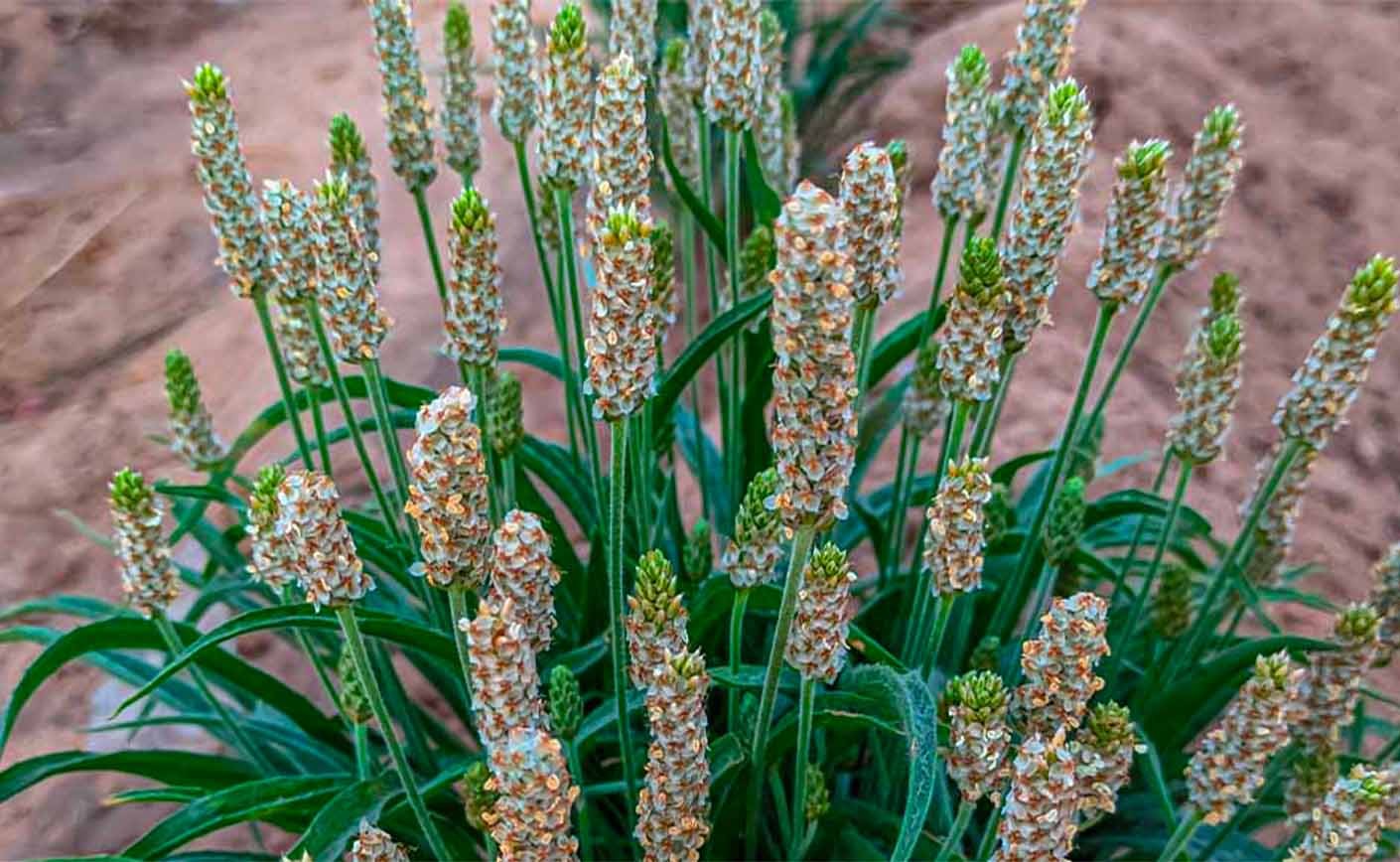
Psyllium is an increasingly popular ingredient in healthy, natural diets. Native to India and Iran, this plant produces small seeds rich in soluble fibre. These fibres are known for their many benefits. If you're thinking of adopting this plant but don't know much about it, this article will shed some light on the subject. Firstly, you'll learn about all the benefits of psylli, then you'll find out how to use it to get the most out of it.
Definition and benefits of psyllium
Psyllium is a product that more and more people are adopting. In their search for a natural product, some people make a mistake and opt for another ingredient.
Definition of psyllium
Psyllium is a herbaceous plant grown for its seeds, which are rich in soluble fibre. It is also known as Indian plantain. Although it originated in India and Iran, it is now grown all over the world. Psyllium seeds have been used for centuries in traditional medicine.
Today, it is used as an ingredient in dietary supplements and natural health products for its health-promoting properties. You can have it in blond or brown. Whichever variety you're looking for, you can find it on the Amoseed website, which specialises in the sale of superfoods.
The benefits of psyllium
As mentioned above, this natural product has a number of benefits.
- Aids digestion: the soluble fibres in psyllium absorb water in the digestive tract, making stools softer and easier to pass. This can help relieve constipation and prevent digestive disorders;
- Help with weight loss: the soluble fibres in psyllium can help to reduce appetite and increase the feeling of satiety. This can lead to a reduction in food intake and weight loss;
- Improve cardiovascular health: the soluble fibre in psyllium can help reduce blood cholesterol levels, which can reduce the risk of heart disease. In addition, psyllium can help regulate blood pressure and reduce inflammation.
How to use psyllium
Psyllium is a versatile ingredient that can be used in a variety of ways.
You can add it to your smoothies. For a high-fibre breakfast, a tablespoon of psyllium added to a creamy drink is enough. You can also choose to use psyllium as a flour substitute in certain recipes. By replacing some of the flour with psyllium, you'll obtain a dough with a fluffier texture and higher fibre content.
You can also sprinkle psyllium over your dishes to add a touch of crunch and fibre to your meal. This could be a salad, soup or vegetable dish, for example. Finally, you may decide to take psyllium in capsule form.
Whatever the reason for taking psyllium, it is important to drink enough water when you consume it.