
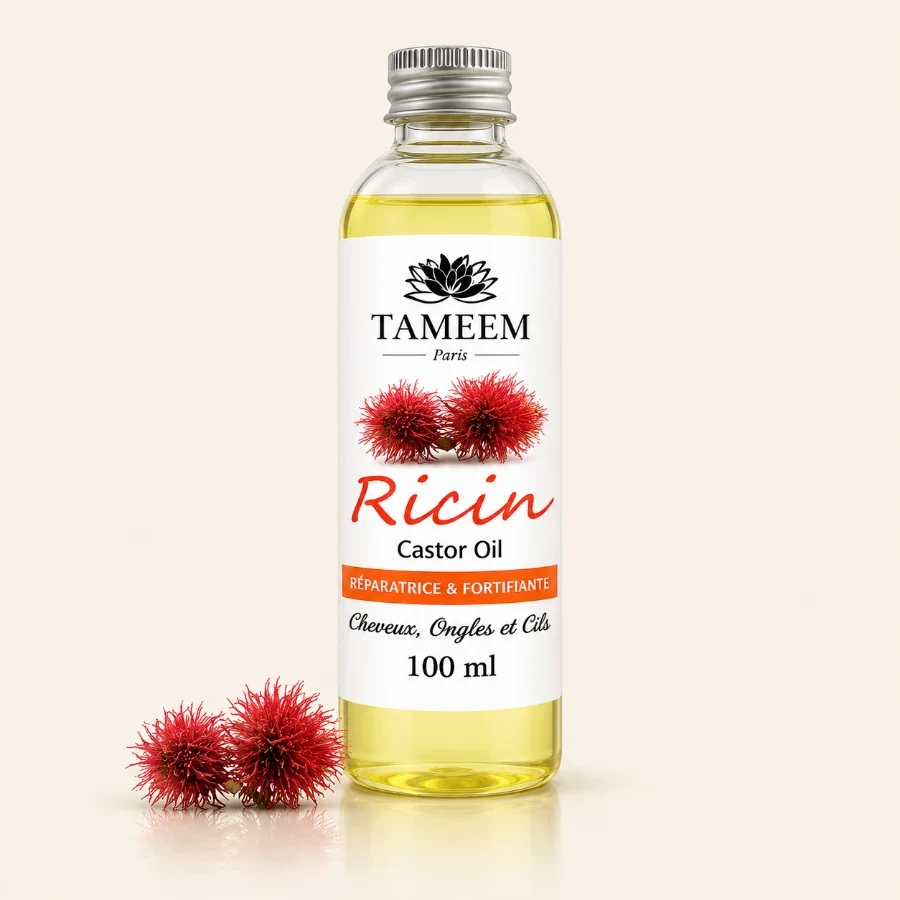

Castor oil is a natural substance with numerous health benefits. It is often used by pregnant women to facilitate childbirth. In this article, we'll explore the different ways in which castor oil can be used in childbirth and discuss the other options available to help prepare for childbirth.
How does castor oil work in childbirth?
Castor oil is extracted from the seeds of Ricinus communis, a plant native to Africa and the Middle East. This oil has been used for centuries for its medicinal properties and health benefits. Castor oil is used in childbirth because of its ability to stimulate uterine contractions, which can help induce labour and facilitate the expulsion of the baby.
This stimulation of contractions is due to the presence of ricinoleic acid in castor oil, which acts on prostaglandin receptors in the uterus. Prostaglandins are hormones involved in the childbirth process, in particular by helping to dilate the cervix.
Using castor oil for childbirth
There are several ways to use castor oil for childbirth. Some pregnant women choose to drink the oil, while others prefer to apply it directly to their abdomen.
Drinking castor oil
To use castor oil orally, it is generally recommended to mix a small amount (around 2 tablespoons) with fruit juice or another drink to help mask the unpleasant taste of the oil. It is important not to consume too much castor oil, as this can cause undesirable effects such as nausea, vomiting and diarrhoea.
Some women feel the first contractions within hours of taking castor oil, but for others it can take up to 24 hours. It is important to note that the use of castor oil for childbirth is not guaranteed and that this method does not work for all women.
Applying castor oil to the abdomen
Another way to use castor oil for childbirth is to apply it directly to the abdomen. This can be done by massaging a few drops of castor oil into the abdomen, concentrating on the area around the cervix. This method stimulates the prostaglandin receptors directly through the skin, without having to ingest the oil.
However, it is important to remember that this method is not guaranteed to induce labour and results may vary from one woman to another.
Other oils to facilitate childbirth
Although castor oil is best known for helping with childbirth, there are also other oils that can be beneficial during this period, including:
- Evening primrose oil: extracted from the seeds of the evening primrose plant, this oil also contains prostaglandin precursors that can help dilate the cervix.
- Clary sage essential oil: often used in aromatherapy, this oil is renowned for its antispasmodic and relaxing properties, which can help relieve labour pains.
It is important to note that the oils mentioned above should be used with caution and only under the supervision of a qualified health professional.
Precautions and contraindications
Before using castor oil or other oils for childbirth, it is essential to consult a health professional, such as a doctor or midwife. Some women should not use castor oil because of specific health problems or potential complications. It is also important to follow the instructions and recommended dosages to minimise possible side effects.
Furthermore, using castor oil for childbirth should not be considered a miracle solution and cannot replace appropriate medical care during pregnancy and childbirth.
Castor oil is a natural option that can help some women to have an easier birth. However, it is crucial to remember that this method is not guaranteed and does not work for everyone. Before using castor oil or other childbirth oils, always consult a qualified health professional to discuss the best options for your individual situation.